Deep dives, expert analysis, and practical guidance on exposure management, adversarial validation, and the future of AI-driven exposure management.
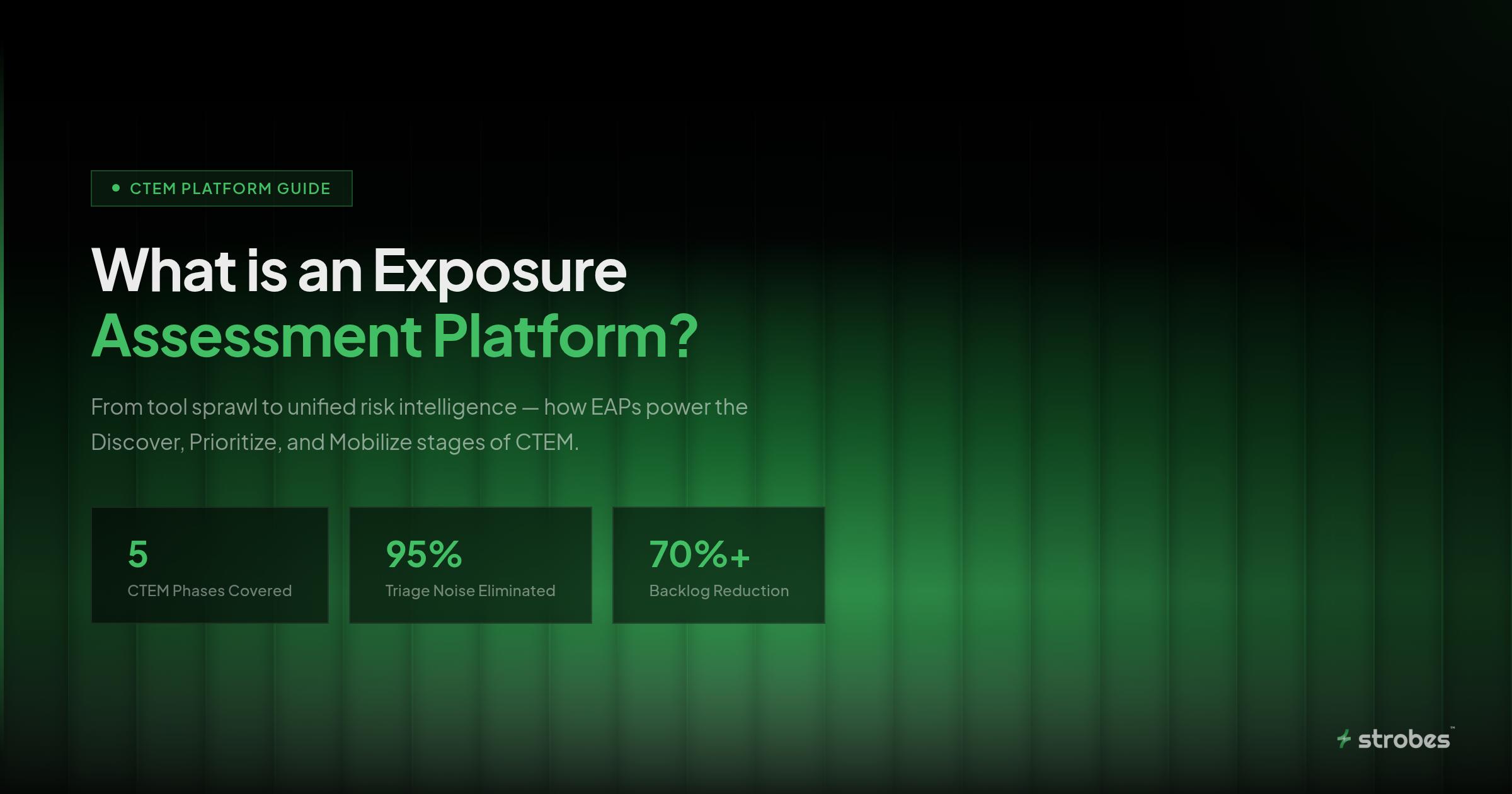
An Exposure Assessment Platform (EAP) is the connective tissue that unifies, normalizes, prioritizes, and mobilizes remediation across your entire attack surface. This guide covers how EAPs work, why they replace traditional vulnerability management, and how to evaluate one for your CTEM program.
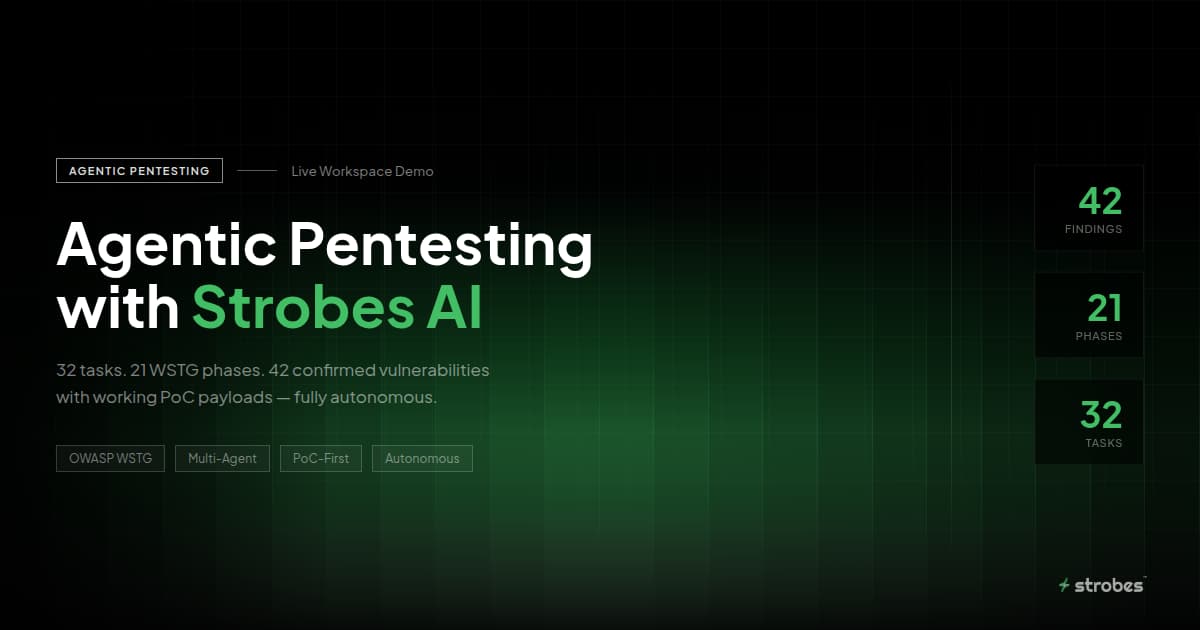
What happens when you point Strobes AI at a real web app and let it run a full OWASP WSTG assessment with zero hand-holding? 32 tasks, 21 phases, 42 confirmed vulnerabilities — all autonomous.
The model is 20% of the problem. Here is the engineering story behind the orchestration, tooling, middleware, and infrastructure that turns a capable LLM into a reliable penetration testing operator.

Threat modeling finds design flaws on a whiteboard, before code exists. A worked STRIDE pass on a login system, attack trees, and why DREAD lost favor.
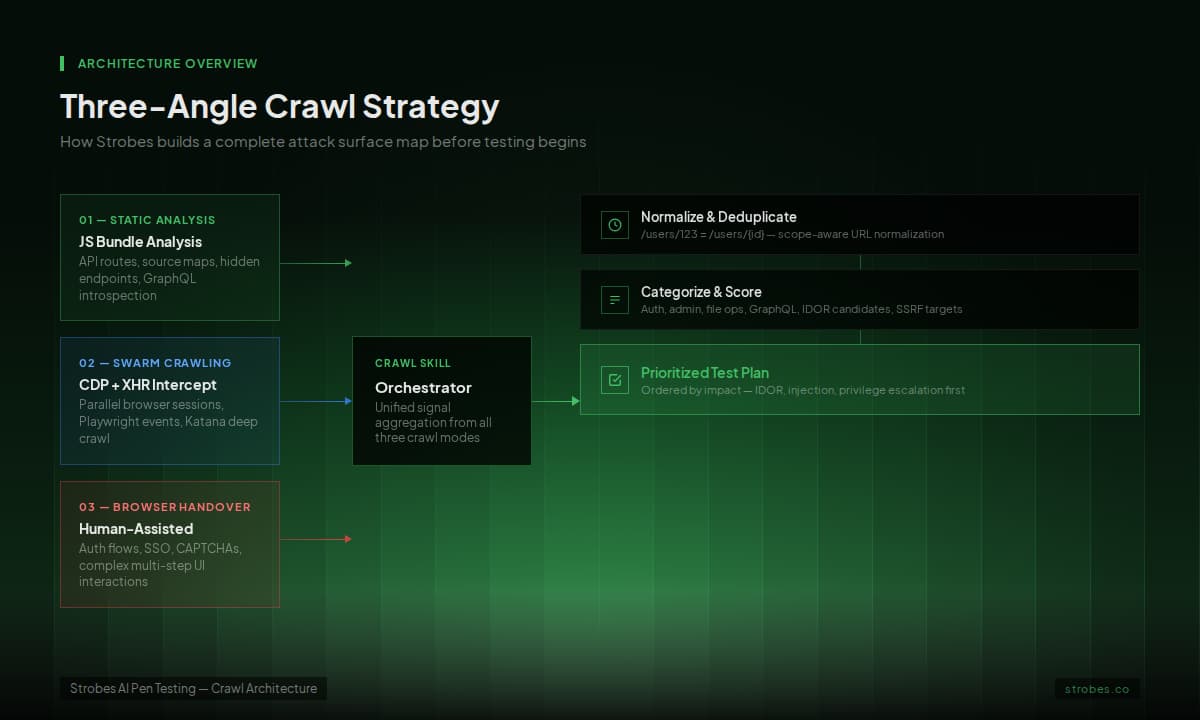
AI agents are brilliant at reading code but terrible at navigating browsers. Here's how Strobes combines static analysis, CDP-based swarm crawling, and human browser handover to build a complete attack surface map before testing begins.
A senior reviewer's guide to secure code review: trace taint from source to sink, write real Semgrep and CodeQL rules, and gate findings at PR time.

February 2026 brought a series of significant data breaches spanning automotive, aviation, hospitality, finance, telecom, and media. The incidents were not driven by a single attack method. Some resulted from credential stuffing, others from ransomware and extortion tactics, and several from inadequ

An assumed breach assessment starts with the attacker already inside, so the whole budget goes to detection, response, and blast radius instead of the front door. Here is how it works and when to use it.

Over the past two weeks, most coverage around Moltbot and OpenClaw has chased the flashy angle. One-click exploits, remote code execution, APT chatter, scary screenshots. Meanwhile, security teams are doing what they always do when a new tool gets hit. Patch, block ports, rotate keys. That's necessa

Most enterprises are not short on security activity. They run scanners, onboard new tools, commission assessments, run internal reviews, and publish regular risk reports. Yet exposure still slips through. Incidents still trace back to issues that were already known. Teams still debate what matters m
Red team methodology runs in five stages, recon, initial access, foothold and C2, lateral movement and privilege escalation, then actions on objective. Here is each stage with the ATT&CK techniques and the detections that should fire.

Your security team just delivered another quarterly report. 847 vulnerabilities discovered. 23 rated critical. 156 high severity. CVSS scores assigned. Remediation priorities set. And yet, like last quarter, the backlog grows faster than your team can patch. Worse, you're left wondering: are we fixi
